Puppy Socialization & Foundations: Setting Your Pup Up for Success
Puppy socialization and establishing strong foundations are crucial for setting your pup up for success. Early socialization and training offer numerous benefits, including a well-adjusted, confident, and well-behaved dog. This article will provide a comprehensive guide to puppy socialization and foundational training.
Understanding Puppy Development
Puppy Stages and Growth
Puppies go through various stages of growth and development, each with unique needs and challenges. Understanding these stages is essential for providing the appropriate care and training.
Critical Socialization Period
The critical socialization period, typically between 3 and 16 weeks of age, is a crucial time for exposing your puppy to new experiences. During this period, puppies are more receptive to new stimuli and learning experiences.
Puppy Behavior and Body Language
Understanding puppy behavior and body language is essential for effective socialization and training. Recognizing signs of stress, fear, or contentment can help you adapt your approach and create positive experiences for your pup.
Puppy Socialization
What is Puppy Socialization?
Puppy socialization involves exposing your pup to a wide variety of people, animals, environments, and experiences in a positive manner. This helps them develop into well-adjusted, confident adult dogs.
Importance of Early Socialization
Early socialization helps prevent fear, anxiety, and aggression issues later in life. By exposing your puppy to diverse experiences during the critical socialization period, you can help them become more adaptable and resilient.
Socialization Exercises
Exposing your puppy to people of different ages, genders, and appearances.
Introducing your pup to various environments, such as parks, streets, and public places.
Familiarizing your puppy with different sounds, textures, and surfaces.
Puppy Playdates and Socialization Classes
Puppy playdates and socialization classes provide opportunities for supervised interaction with other puppies and dogs. These experiences can help your pup learn valuable social skills and build confidence.
Puppy Training Foundations
Basic Obedience Training
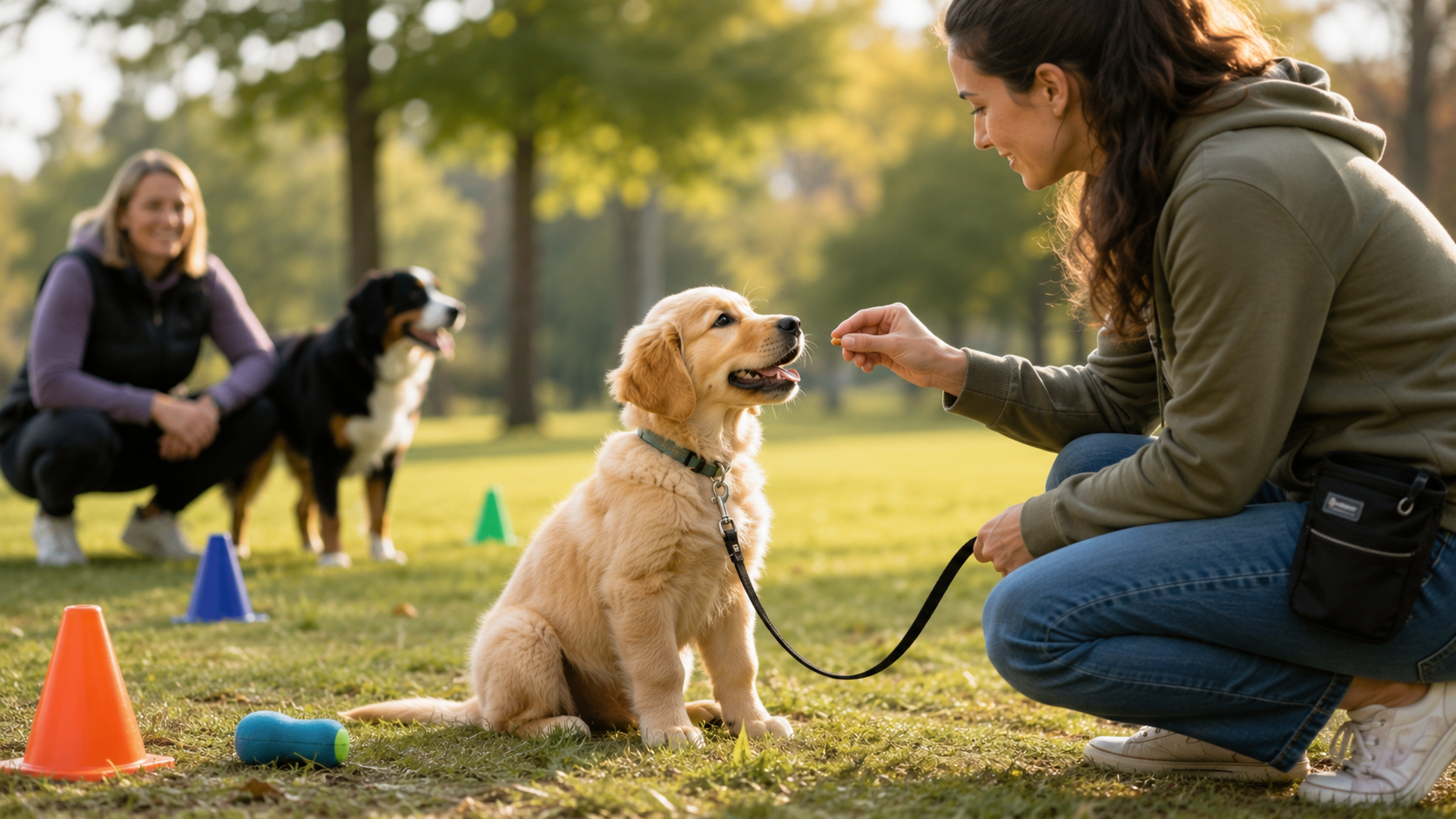
Basic obedience training lays the groundwork for a well-behaved dog. Positive reinforcement techniques, such as treats and praise, are effective for teaching new skills. Essential commands include sit, stay, come, and down.
Crate Training
Crate training provides a safe, secure space for your puppy and aids in house training. By creating a positive association with the crate, you can help your pup feel comfortable and secure.
Potty Training
Potty training requires consistency, patience, and positive reinforcement. Establishing a regular schedule and rewarding your puppy for going in the appropriate location can help speed up the process.
Leash Training
Leash training helps your puppy learn to walk calmly and confidently on a leash. Start with short, positive sessions and gradually increase the duration and distance.
Building Puppy Confidence
Confidence-Building Exercises
Confidence-building exercises, such as agility courses and puzzle toys, can help your pup develop a sense of accomplishment. These activities provide mental stimulation and promote problem-solving skills.
Exposure to New Experiences
Exposing your puppy to new experiences in a positive, controlled manner can help them become more adaptable and resilient. Gradual exposure and positive reinforcement can help your pup overcome fear and anxiety.
Building Trust with Your Puppy
Building trust with your puppy through consistent, positive interactions is key to their confidence and well-being. Providing a safe, nurturing environment and being a reliable source of comfort can help strengthen your bond.
Successful Puppy Raising Tips
Puppy-Proofing Your Home
Puppy-proofing your home is essential for keeping your pup safe and preventing destructive behavior. Remove potential hazards and provide a secure, comfortable space for your puppy to explore.
Essential Puppy Supplies
Essential puppy supplies include a comfortable bed, age-appropriate toys, and high-quality food. Providing the right resources can help your puppy feel secure and promote healthy development.
Creating a Puppy Schedule
Creating a consistent puppy schedule helps establish routines and promotes good behavior. Regular feeding, potty breaks, playtime, and training sessions can help your puppy thrive.
Puppy Nutrition and Health
Proper puppy nutrition and regular veterinary check-ups are crucial for your pup's health and development. Choose a high-quality puppy food and follow your veterinarian's recommendations for preventive care.
Puppy Training Tips
Puppy training tips include keeping sessions short, fun, and rewarding. Use positive reinforcement techniques and be patient and consistent in your approach.
Addressing Common Puppy Behavior Problems
Biting and Nipping
Biting and nipping are normal puppy behaviors that require gentle discouragement and redirection. Provide appropriate chew toys and teach your puppy bite inhibition.
Excessive Chewing
Excessive chewing can be managed by providing appropriate chew toys and puppy-proofing your home. Redirect your puppy's chewing to appropriate objects and offer plenty of mental stimulation.
Barking and Whining
Barking and whining may indicate a need for attention, exercise, or training. Address the underlying cause and use positive reinforcement to encourage quiet behavior.
Separation Anxiety
Separation anxiety can be prevented or managed through gradual training and positive reinforcement. Help your puppy learn to be comfortable alone and provide a safe, secure environment.
Preventing Aggression
Preventing aggression involves proper socialization, training, and addressing any underlying issues. Consult with a professional dog trainer if you notice signs of aggression in your puppy.
Resources for Puppy Owners
Recommended Puppy Training Books and Videos
Recommended puppy training books and videos provide valuable information and guidance. Look for resources that emphasize positive reinforcement techniques and cover a wide range of topics.
Online Puppy Training Resources
Online puppy training resources, such as websites and forums, offer support and advice from experienced owners and trainers. Be sure to verify the credibility of the sources and consult with your veterinarian or a professional trainer for personalized advice.
Finding a Professional Dog Trainer
Finding a professional dog trainer can help address specific issues or provide additional guidance. Look for a trainer who uses positive reinforcement techniques and has experience working with puppies.
Puppy Socialization and Training Checklist
A puppy socialization and training checklist can help you stay organized and ensure your pup receives a well-rounded education. Include a variety of experiences, such as exposure to different people, animals, environments, and stimuli.
Conclusion
Puppy socialization and establishing strong foundations are vital for setting your pup up for a lifetime of success. Puppy owners should start socialization and training efforts early, taking advantage of the critical socialization period. By providing a loving, consistent, and enriching environment, you can help your puppy grow into a confident, well-behaved, and happy dog.
FAQs:
When should I start socializing my puppy?
Begin socializing your puppy as early as possible, ideally during the critical socialization period between 3 and 16 weeks of age. This is when puppies are most receptive to new experiences and learning.
How can I socialize my puppy safely before they've had all their vaccinations?
Attend puppy socialization classes in a clean, controlled environment where all puppies have received age-appropriate vaccinations. You can also invite friends and family to your home to meet your puppy and expose them to new people in a safe setting.
What should I expose my puppy to during socialization?
Expose your puppy to a variety of people, animals, environments, sounds, textures, and experiences. This can include people of different ages, appearances, and genders, as well as other animals, vehicles, and various indoor and outdoor environments.
How long should socialization sessions be?
Keep, socialization sessions short and positive, usually lasting 5-10 minutes at a time. Always end on a positive note and avoid overwhelming your puppy with too much stimulation at once.
What if my puppy see ms fearful during socialization?
If your puppy appears fearful or anxious, remove them from the situation and give them a break. Slowly reintroduce them to the stimulus at a later time, using positive reinforcement and a gradual approach to help them overcome their fear.
When should I start basic obedience training with my puppy?
Begin basic obedience training as soon as you bring your puppy home. Start with simple commands like sit, stay, and come, using positive reinforcement techniques.
How often should I train my puppy?
Train your puppy in short, frequent sessions throughout the day. Aim for 5-10 minute sessions, multiple times a day, to keep training fun and engaging for your pup.
How can I housetrain my puppy?
Establish a consistent schedule for potty breaks, and always take your puppy outside after meals, naps, and playtime. Use positive reinforcement when your puppy goes potty in the appropriate location, and supervise them closely while indoors to prevent accidents.
What should I do if my puppy is biting or nipping?
Redirect your puppy's biting or nipping to appropriate chew toys. If they continue to bite, yelp or say "ouch" in a high-pitched voice and remove your hand. Praise your puppy when they play gently with toys instead.
How can I find a reputable puppy socialization class or professional dog trainer?
Ask for recommendations from your veterinarian, local animal shelter, or other dog owners. Look for trainers who use positive reinforcement techniques and have experience working with puppies. You can also check for certifications from professional organizations like the Certification Council for Professional Dog Trainers (CCPDT).