Best Obedience Training Tips for Dogs in Colorado Springs
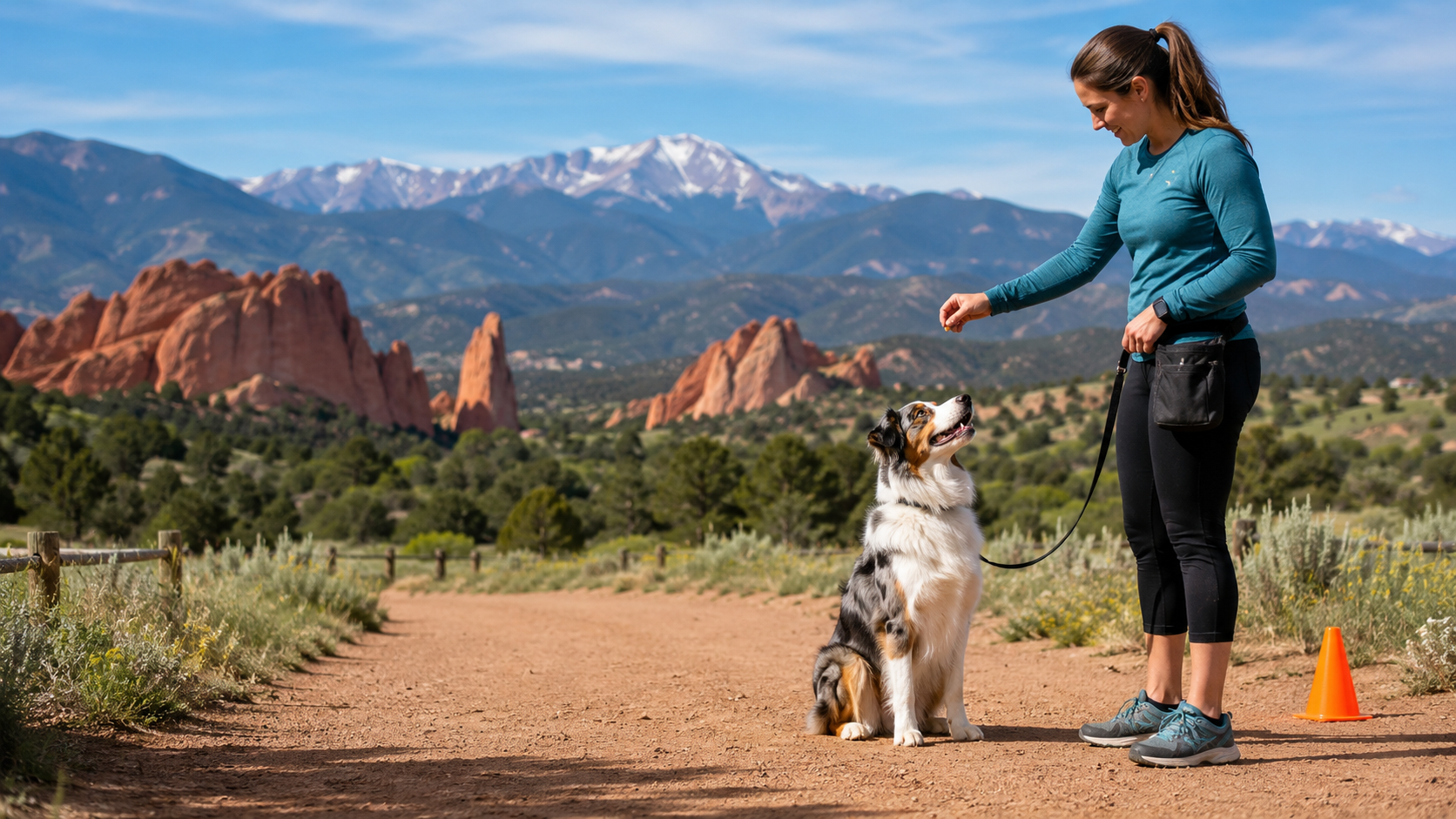
If you live in Colorado Springs, you already know your dog needs more than just basic manners. Between hikes at Red Rock Canyon, off-leash mornings at Bear Creek Dog Park, and busy patios near downtown, a well-trained dog isn't a luxury here - it's what makes the Colorado lifestyle actually enjoyable. A dog that pulls on the leash, ignores you near wildlife, or barks at every passing cyclist can turn a fun outing into a stressful one fast.
The good news? Obedience training doesn't have to be complicated. With the right approach - and a little consistency - almost any dog can learn to listen, relax, and enjoy the outdoors with you. Below are the best, easy-to-follow obedience training tips for dog owners in Colorado Springs, straight from the trainers at Paws Up K9 Academy, who've spent over two decades helping local families build calmer, happier homes with their dogs.
1. Start Training Early, But Don't Worry If You Didn't
Puppies can start learning simple commands as young as 8 weeks old. Early training builds good habits before bad ones have a chance to form. That said, if you've adopted an older dog or missed the early window, don't stress - dogs of any age can learn. The saying "you can't teach an old dog new tricks" simply isn't true. Patience and the right method matter far more than age.
2. Keep Training Sessions Short and Positive
Dogs lose focus quickly, especially puppies. Instead of one long, tiring session, aim for several short sessions throughout the day - five to ten minutes each works well. End every session on a win, even if it's a small one, so your dog associates training with success instead of frustration.
3. Use Positive Reinforcement, Not Fear
Reward-based training builds trust between you and your dog. Treats, praise, and play all work as motivators, but the real goal is teaching your dog why a behavior earns a reward. Dogs that are trained through fear may obey out of pressure, but dogs trained through trust obey because they want to please you. That difference shows up in how relaxed and confident your dog becomes over time.
4. Master the Core Commands First
Before chasing advanced tricks, nail down the basics:
Sit – the foundation for nearly everything else
Stay – builds patience and self-control
Come (recall) – critical for safety around Colorado's open trails and wildlife
Leave it – stops your dog from grabbing something dangerous
Heel – keeps walks calm instead of a tug-of-war
A dog that's solid on these five commands can handle most everyday situations, from a crowded patio downtown to an off-leash trail near Garden of the Gods.
5. Practice Around Real Distractions
Training in a quiet living room is a great start, but it's not the finish line. Colorado Springs dogs need to listen around squirrels, deer, other dogs, and busy sidewalks too. Once your dog has a command down at home, slowly practice it in louder, busier places. This step - called proofing - is often the one owners skip, and it's exactly why dogs "forget" their training outside the house.
6. Be Consistent With Commands and Rules
Dogs learn through repetition and consistency, not guesswork. If "off" means something different every time, or if one family member allows what another doesn't, your dog will get confused. Pick clear words for each command and make sure everyone in the household uses the same ones, the same way, every time.
7. Socialize Your Dog Early and Often
Colorado Springs is a dog-friendly city, which means your pup will run into plenty of new people, dogs, and environments. Regular, positive exposure to new situations builds a confident dog instead of a nervous or reactive one. Local parks, pet-friendly stores, and calm group walks are all great low-pressure ways to build this skill.
8. Don't Underestimate Exercise and Mental Stimulation
A tired dog is a much easier dog to train. Colorado Springs offers no shortage of trails, parks, and open space, so use them. Physical exercise paired with mental challenges - like puzzle toys or scent games - helps burn off excess energy that often shows up as bad behavior indoors.
9. Know When to Call in a Professional
Some behaviors, like leash reactivity, separation anxiety, or aggression, are tough to fix alone - and trying the wrong approach can sometimes make things worse. A certified trainer can read your dog's body language, pinpoint the real cause of a behavior, and build a plan suited to your dog instead of a generic one. This is especially true for working breeds and high-energy dogs that are common throughout the Front Range.
Why Colorado Springs Dog Owners Trust Paws Up K9 Academy
Obedience training tips can only take you so far on your own. That's where Paws Up K9 Academy comes in. With over 20 years of hands-on experience - including a decade spent preparing puppies for therapy and high-level service work - Paws Up has helped dogs of every breed, age, and background become confident, well-mannered companions.
Here's what sets Paws Up apart from other Colorado Springs dog trainers:
Real experience with real results
– From anxious rescues to dogs labeled "untrainable," Paws Up has worked with it all.
No pushy packages
– Training plans are built around your goals and your budget, not a one-size-fits-all sales pitch.
Board & Train available
– For dogs that need a more immersive approach, Paws Up offers board and train programs when it's truly the best fit.
Service and therapy dog training
– A specialty built from years of preparing dogs for veterans and individuals with disabilities.
Grooming services
– A full-service salon for keeping your dog looking and feeling their best.
Serving the I-25 corridor
– Paws Up works with families up and down the corridor, covering most of Colorado.
Final Thoughts
Obedience training is really about communication. The more clearly you and your dog understand each other, the calmer, safer, and more enjoyable life becomes - whether that's a quiet evening at home or a weekend hike in the Colorado mountains. Start with the basics, stay consistent, and don't be afraid to bring in expert help when you need it.
Ready to build a stronger bond with your dog? Paws Up K9 Academy is here to help, every step of the way.
FAQs
1. What is the best age to start obedience training a dog? Puppies can start learning basic commands as early as 8 weeks old. However, dogs of any age can be trained successfully with patience and the right approach, so don't worry if you're starting later.
2. How long does it take to obedience train a dog? Most dogs show real progress within a few weeks of consistent practice, but full reliability — especially around distractions — can take a few months. Short, daily sessions work better than occasional long ones.
3. What are the most important commands to teach first? Sit, stay, come, leave it, and heel form the foundation of good obedience. These five commands cover most everyday situations, from walks to visits to busy parks.
4. Is positive reinforcement better than punishment-based training? Yes. Positive reinforcement builds trust and helps dogs understand why a behavior earns a reward, leading to more reliable, willing obedience rather than fear-based compliance.
5. Do I need a professional trainer, or can I train my dog myself? Many basic commands can be taught at home, but issues like leash reactivity, aggression, or separation anxiety often need a professional's guidance to avoid making the behavior worse.
6. Does Paws Up K9 Academy offer board and train programs? Yes. Paws Up K9 Academy offers board and train programs for dogs that need a more immersive, hands-on approach to reach their training goals.
7. What areas does Paws Up K9 Academy serve? Paws Up K9 Academy serves the I-25 corridor and most of Colorado, including Colorado Springs and surrounding communities.